Acne Scars
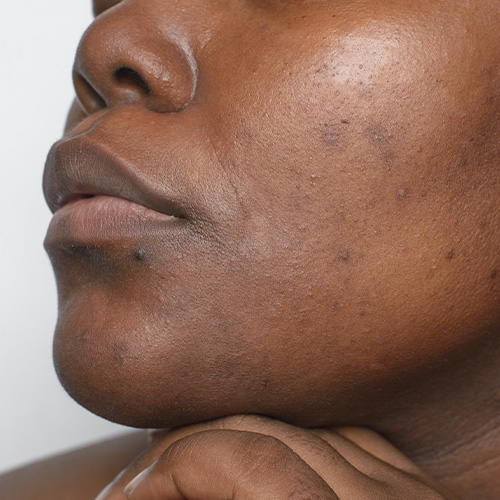
Acne scars are the lasting, visible reminders of past breakouts that remain long after the acne itself has resolved. They form when the skin's inflammatory response to acne lesions disrupts the normal collagen rebuilding process — leaving behind permanent textural or pigmentary changes in the skin. From depressed icepick, boxcar, and rolling scars to raised hypertrophic scars and stubborn post-inflammatory hyperpigmentation, acne scarring presents in many forms — each requiring a tailored clinical approach for meaningful improvement. While deeply personal in their emotional impact, acne scars are highly treatable — and with today's advanced clinical technologies, significant, lasting improvement is an achievable reality for every skin type and every scar type.
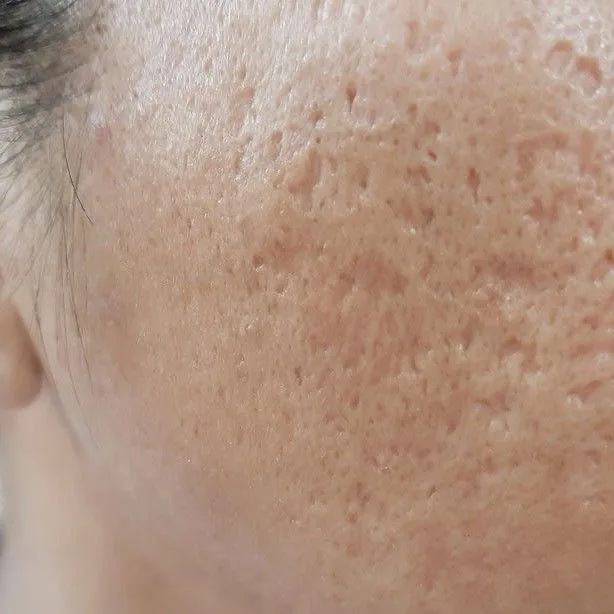
The more severe and prolonged the acne, the greater the scarring risk which is why early, effective acne treatment is the most powerful form of scar prevention
Acne scarring affects up to 95% of acne sufferers making it one of the most prevalent and undertreated skin concerns in aesthetic medicine
There are several distinct types of acne scars including icepick, boxcar, and rolling scars (depressed), hypertrophic and keloid scars (raised), and post-inflammatory hyperpigmentation (flat discolouration)
Scars form when acne inflammation damages the deeper layers of the skin — disrupting the normal collagen rebuilding process and leaving a permanent structural or pigmentary change in the skin's surface
Acne scars do not fade on their own unlike post-inflammatory hyperpigmentation, true structural acne scars will not resolve without professional clinical treatment
Treating acne scars
Your SKIN expert will assess your skin and design a personalised plan at your complimentary consult.