Hormonal Acne
Hormonal acne is a distinct and deeply frustrating form of acne driven by the fluctuating hormonal activity that occurs throughout a woman's life from puberty and menstruation to pregnancy, postpartum, perimenopause, and beyond. Unlike teenage acne that primarily affects the forehead and nose, hormonal acne characteristically presents along the lower face clustering around the chin, jawline, and neck in the form of deep, painful, cystic lesions that are slow to resolve and quick to recur. Triggered by fluctuations in oestrogen, progesterone, and androgens that stimulate excess sebum production and inflammation deep within the follicle, hormonal acne follows a predictable yet relentless monthly cycle that can feel impossible to break without the right clinical approach.
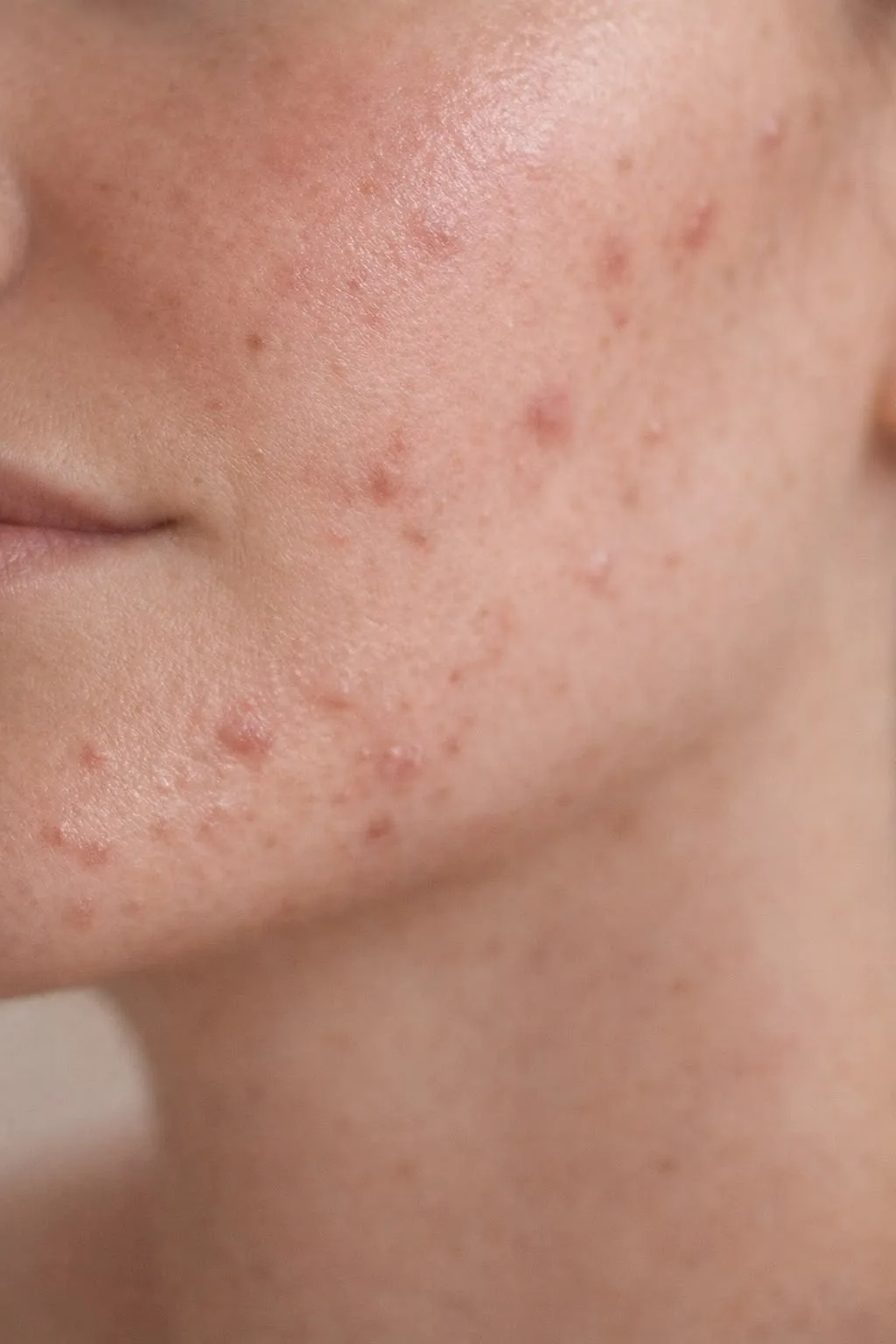
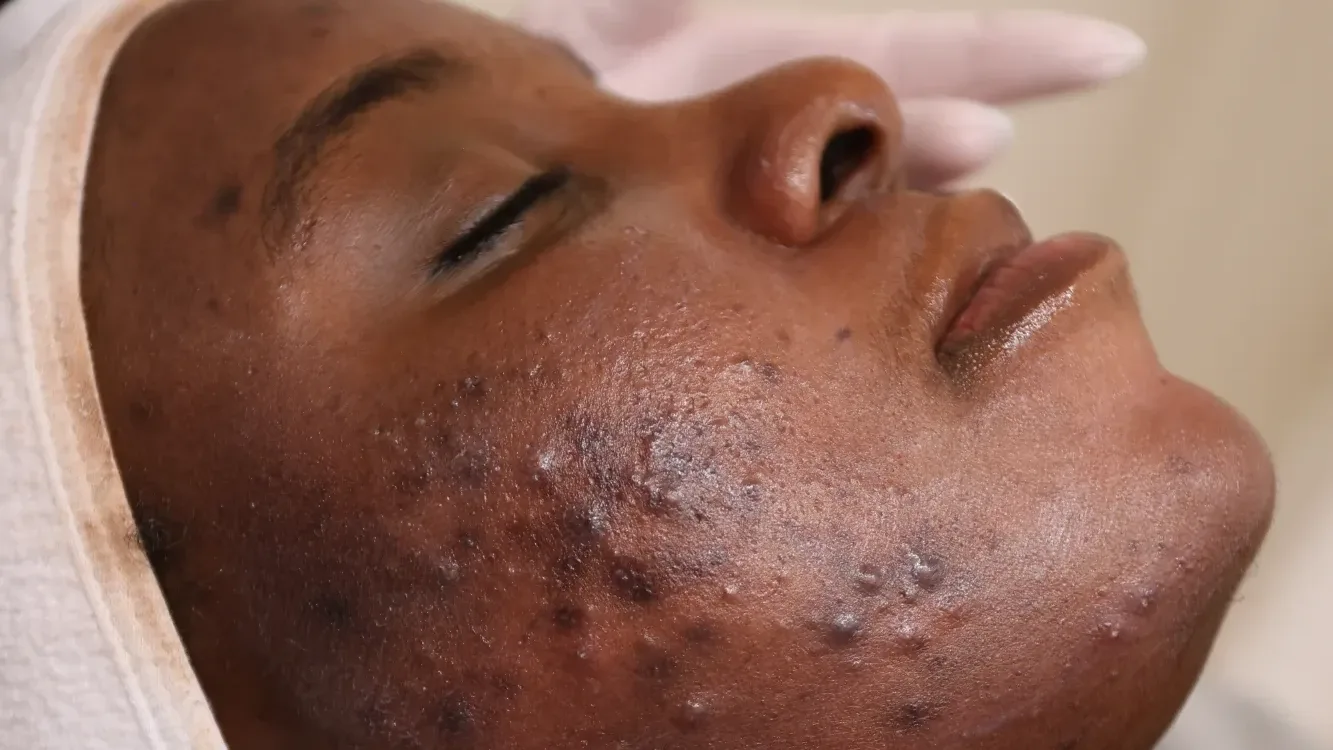
It characteristically presents on the lower face clustering along the chin, jawline, and neck in a pattern directly linked to the distribution of androgen receptors in this area of the face
Androgens, estrogen and progesterone all influence breakouts, though androgens are the primary hormonal driver. Elevated androgen levels stimulate the sebaceous glands to produce excess sebum, creating the ideal environment for acne-causing bacteria to proliferate and inflammatory lesions to form
PCOS is a significant underlying cause. Polycystic Ovary Syndrome is associated with elevated androgen levels and is one of the most common hormonal conditions driving persistent, severe hormonal acne in women
Hormonal acne lesions are typically deeper and more painful forming as deep, cystic nodules within the follicle rather than surface-level pustules, making them more resistant to topical treatments and more likely to leave lasting scarring
Treating hormonal acne
Your SKIN expert will assess your skin and design a personalised plan at your complimentary consult.